

Gym owners are always under pressure to fill memberships, keep members engaged, and stand out against their competition. (It comes with being a part of the health and fitness industry.) One of the least used strategies is developing genuine relationships with medical professionals in the surrounding community. Physicians, physical therapists, chiropractors, orthopedic specialists, and sports medicine providers see patients every day who need exactly what a well-run gym can offer: a safe place to exercise, the right supervision, and long-term lifestyle change.
Treating medical professionals as partners can result in higher-quality referrals, stronger member retention, and a position as a trusted health resource rather than just another fitness facility. Having your gym be the premier place for medical rehab in your area brings credibility that your competition will be lacking.
Steady Stream of Valued Referrals
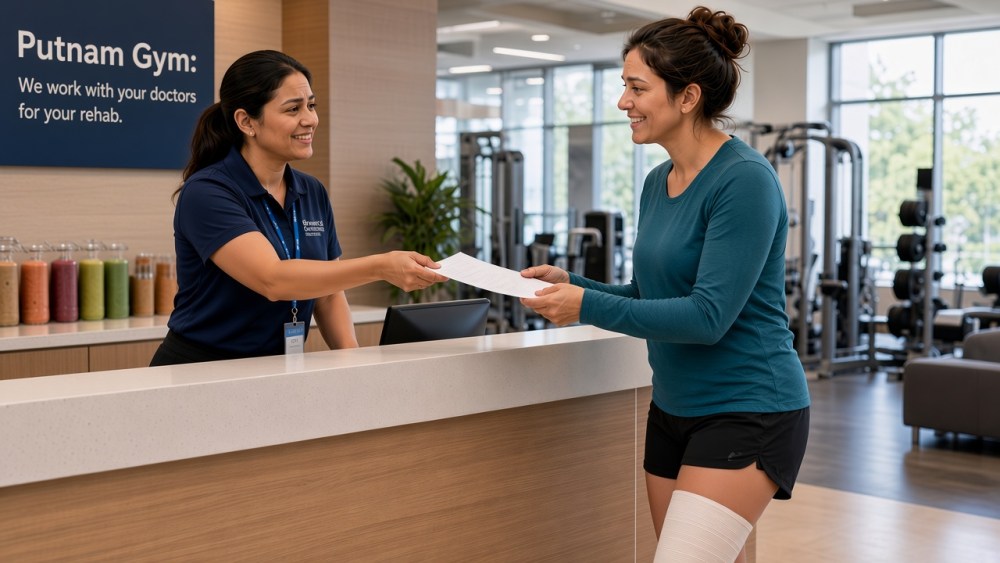
Medical professionals regularly encounter patients recovering from injury, managing chronic conditions, or simply told they “need to exercise more.” Many of those patients leave the office with vague instructions and little follow-through. A gym that has already established trust with the referring provider becomes the natural next step for everyone involved. This is a partnership that works both ways.
Patients arrive comfortably at the gym, understanding that the staff knows how to work within medical guidelines. And these referrals tend to convert at higher rates than cold leads because the recommendation carries clinical authority. Over time, a handful of consistent referral sources can replace expensive advertising that brings in less committed prospects.
Instant Credibility
When a physical therapist or primary-care physician publicly recommends a specific gym, the facility gains third-party validation that marketing copy cannot match (although, if medical partnerships are formed, be sure to include this information in your marketing). The gym begins to occupy a different category in their minds. It is now a “place that works with the medical community.” There are huge benefits that come with that shift. It supports premium pricing, longer membership commitments, and greater willingness to invest in personal training or specialized programs. It can also help filter out members who want the cheapest option and attract those who are more interested in the professionalism of the facility.
Improved Client Outcomes
Have you ever played the game “Telephone” with a group of people? One person begins by whispering a sentence or two to the next person and it continues down the line. By the time the last person hears it, it often makes no sense at all and doesn’t compare to the original message.
Unfortunately, this is what can happen when a person receives advice from their doctor on what they need to work on in the gym for their rehab, leaving everyone confused. Context is key, and there can be a lot forgotten in the rewording of what the doctor actually said.
This can change with a partnership. Medical professionals can share relevant background information (with appropriate consent and privacy safeguards) so trainers understand the instructions, post-surgical limitations, or recommended progressions. Trainers, in turn, can provide feedback on how a client is responding to exercise, which helps the medical side adjust treatment plans. The result is members who feel supported by a coordinated team rather than left to figure everything out alone.
Networking Does Not Require a Large Budget
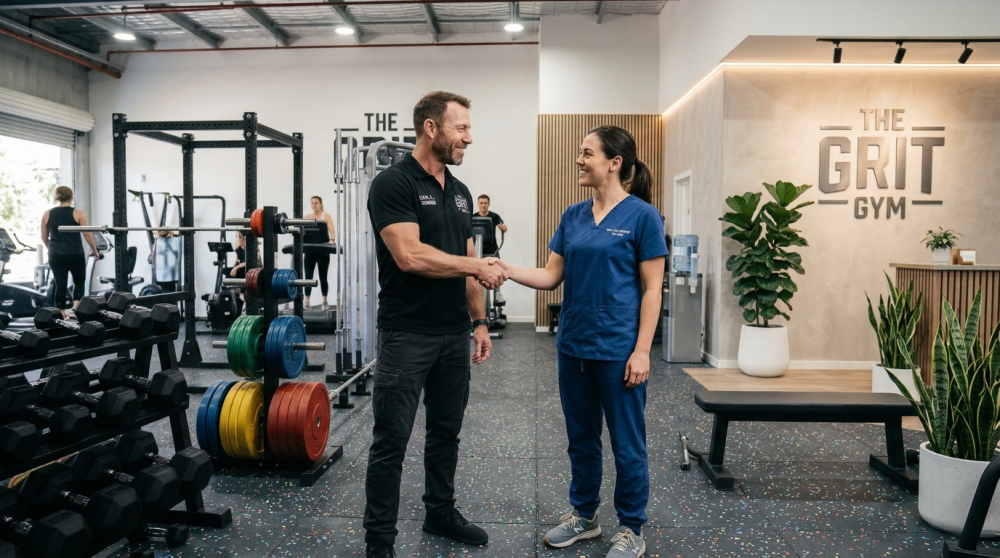
Start by identifying the most relevant professionals within a reasonable radius, such as orthopedic clinics, physical therapy practices, sports medicine groups, and primary-care offices. Introduce yourself with a clear proposition: the gym provides a supervised environment where patients can continue the work begun in their rehab. Offer facility tours, invite providers to observe training sessions (with member consent), or host short presentations on topics such as progressive overload for older adults or safe strength training after common orthopedic procedures.
If you want to sweeten the pot a bit, offer free memberships to the doctors and nurse practitioners. They are the ones who will be making the recommendations to their patients. Let them know that when they start using the facility, they will realize it is the best place to send their patients who need some extra guidance and support.
Some gyms formalize the partnership with written referral processes, shared educational materials, or even co-branded programs. Others keep it informal. Either approach works when the relationship is built on mutual respect and clear communication. Will all practices agree and jump on board? Not a chance. But a couple might, and then your reputation can grow from there.
Competitive Advantage: Trust
Competition in the fitness industry remains intense. Adversaries can often become enemies, just like old-school WWF with Hulk Hogan and Macho Man. Most gyms compete on price, equipment, or the latest class format. Relationships with medical professionals create a different competitive advantage: trust. A facility known for working closely with local clinicians is harder to replace. Members who arrive through medical channels often become long-term clients because the gym is woven into their overall health strategy. As those members refer friends and family, the gym’s organic growth accelerates without the need to increase marketing spending.
There are secondary benefits as well. Staff develop their skills with clinical awareness, which improves the quality of programming across the entire membership. And the gym can more confidently market itself to populations that traditional advertising often misses, like people managing chronic pain, recovering from surgery, or seeking supervised exercise later in life. Even simple goodwill in the professional community can lead to speaking invitations, media mentions, or collaborative community events that raise you and your gym’s profile.
Develop the Relationship
Building these relationships requires intentionality and patience. Not every outreach will succeed, and some medical offices remain skeptical of commercial fitness settings. The gyms that will succeed treat the process as relationship development rather than a sales campaign. Over months and years, the network will expand.
One reliable physical therapy clinic can lead to introductions to other introductions in the medical field. It can become a powerful referral engine that most competitors will never develop because they feel awkward making the approach. However, stepping out of your comfort zone can lead to great things. Go be awkward and see what happens!
Gym Insight
Ready to Open Your Gym or Make Needed Changes to Your Current One?
Gym Insight software helps new gym owners and veteran ones manage memberships, handle 24/7 access, train employees, and keep track of revenue—all in one fully integrated platform, with no contracts and no third-party plug-ins.
Call 855-FOR-GYMS (855-367-4967)
Ask for Anthony, Natalia, or Angela
Leave a Reply
You must be logged in to post a comment.