In this blog series, we are asking Gym Insight fitness owners about their exercise classes: the trials they face, the regional trends they see, and the future of group exercise.
What we discovered immediately is that exercise classes are often considered a “necessary evil” by veteran gym owners. Sure, they create community, but they are also time consuming and costly.
As Kelly Morgan, owner of Morgainz Fitness in Johnstown, PA, and a Gym Insight customer, explains, adding a class does not build membership, because the same members often attend the same classes. In spite of this, a new class still requires paying an instructor, promoting the class, managing members, and paperwork, including fitness waivers.
In a sense, each class is its’ own business ecosystem.
Additionally, after the pandemic, exercise class attendance at gyms dropped. These fans splintered into virtual classes and boutique group/dance fitness.
Today’s gym owner says it takes about six people to make an exercise class cost-effective — note, we did not say “profitable.”
1. Subleasing exercise classes to private companies
Although our sampling is limited to Gym Insight clients, we’ve found gym owners are increasingly outsourcing classes to private companies.
Morgan rents space to a spin cycling studio. Although she once ran her own cycling classes, which caught on quickly, the industry eventually caught up and she abandoned the high-maintenance program.
Today, her gym still offers cycling, but through a privately owned studio. Gym members receive a discount, but the very popular service runs its own business. The studio owner brought in their own equipment, lighting, and stereo system, and manages their clients. It’s the most expensive and popular cycling studio in town — without Morgan’s having to do anything other than collect a check.
She’s also testing the digital service “Fitness on Demand,” at one of her locations.
Eventually, she hopes to subcontract more of her gym space, including a smoothie/juice bar and a coffee shop. For her, it is about freeing up personal time and giving entrepreneurs a shot at running their own companies.

2. Renting space to local businesses
Our gym owners are looking for creative ways to make money off their properties. At The Club Total Fitness in Newport, WA, co-owner Michelle Hastings explains, their business is as much about serving the small community’s needs as it is a health club. As a result, they’ve rented space for homeschool classes and cheerleading competition practices, and offer a privately run Kids Karate Class throughout the school year.

The Club is owned by four siblings who all work full-time jobs outside of their gym investment. According to Hastings, they rent space within their 12,000-square-foot facility to a physical therapist, massage therapists, and a web designer. Because it is a 24/7 accessible building with digital key tag access, the business population is free to come and go as they need. Cameras installed throughout the property act as a back-up management system for unauthorized gym use.
Meanwhile, Gym Insight’s fully integrated, online door-access system allows them to track, in real time, who has entered the building and at what time.
3. Hiring independent contractors
At ReinventU Gym in Boca Raton, FL, the exercise classes are run by independent instructors who carry their own certifications and insurances. Although this is not technically subleasing space, they are independent of the gym ownership. Instructors are trained in branded, popular classes, such as DS Boxing and DARU Strong Strength & Conditioning. This self-service gym limits membership and charges premium prices.
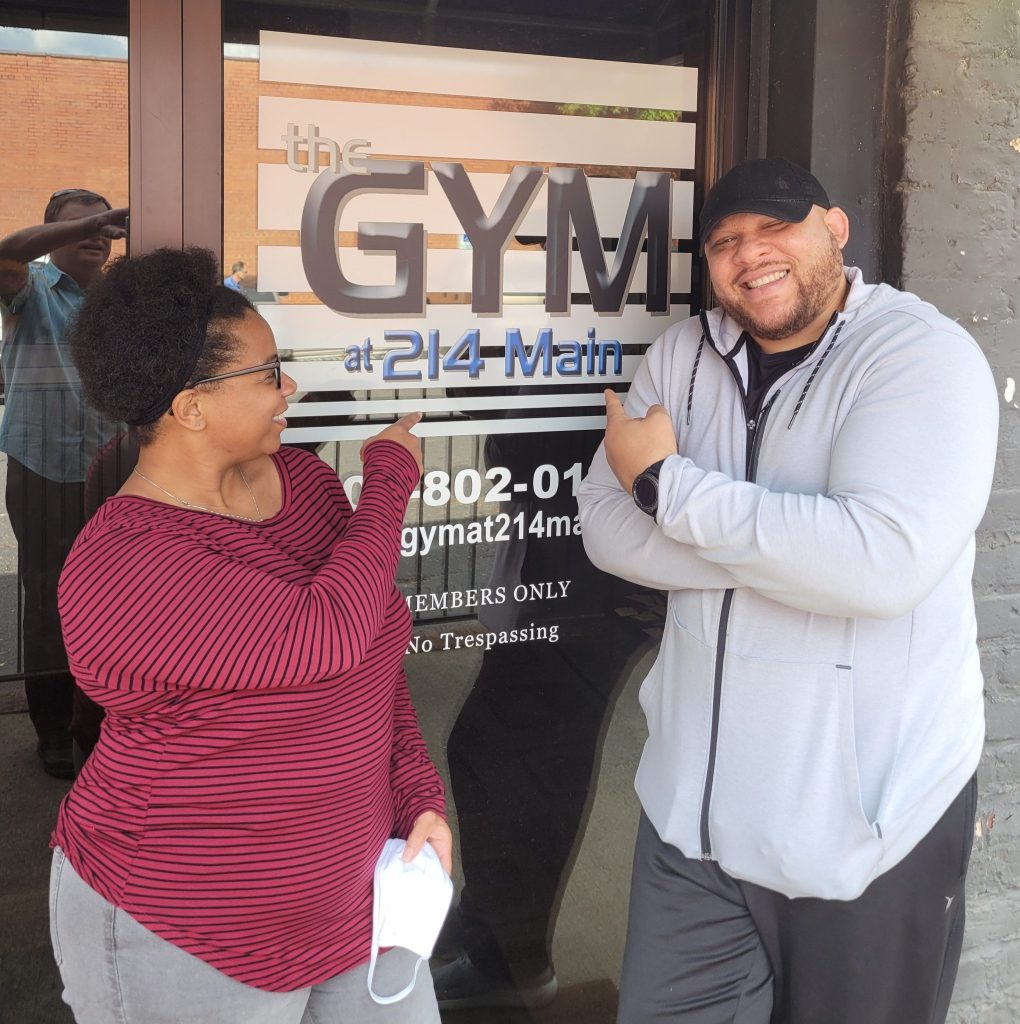
Owners Jovon and Keisha Unger-Times of The Gym at 214 Main, in Fort Mill, SC, bought their gym with a Jazzercise contract in place. Although run by an independent firm, this classic aerobic training drives traffic and interest in the private gym.
Do gyms make any money off exercise classes?
Well, we don’t know. Interestingly, it is not an easy question to answer. Some of our customers estimate fewer than 10% of members attend classes. At another facility, their total membership tops 1,400 people. They run 17 classes with approximately 12 or fewer people per class. That’s an about 204 members attending classes — or around 15% of the total membership — if each of these members joined only one class.
Do all gym owners agree with subleasing space?
No. Our client Coastline Fitness believes gym owners are leaving money on the table by renting space to outside companies. Renting space for a service you can offer under your own marquee takes profits out of an owner’s pocket.
Managing liability and risk is another issue with subleases. Falls, injuries, or emergencies may blow back at you with the right attorney. A good leasing agent or attorney would recommend drawing up a legally sound sublease agreement and establishing roles, responsibilities, and expectations ahead of shaking hands.
As we all know, a little prevention goes a long way. In our next blog on exercise class trends, we tackle changing demographics and outside partnerships.
Gym Insight
The best part of being a long-standing, privately owned gym management software company is our relationships with clients. By staying in touch with our client base and tapping into their knowledge about the industry, we both improve our gym software tools and share valuable industry insights. Our software provides online, tablet-based sales solutions, digital key tag 24/7 access solutions, and cloud software gym management. For a full demo of what makes our product easy to use and right for you, call us at 855-367-4967 and ask for Anthony or Natalia.